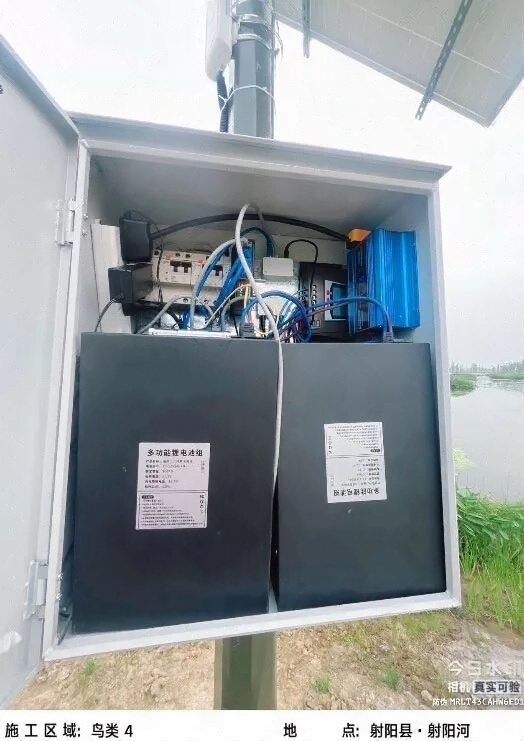
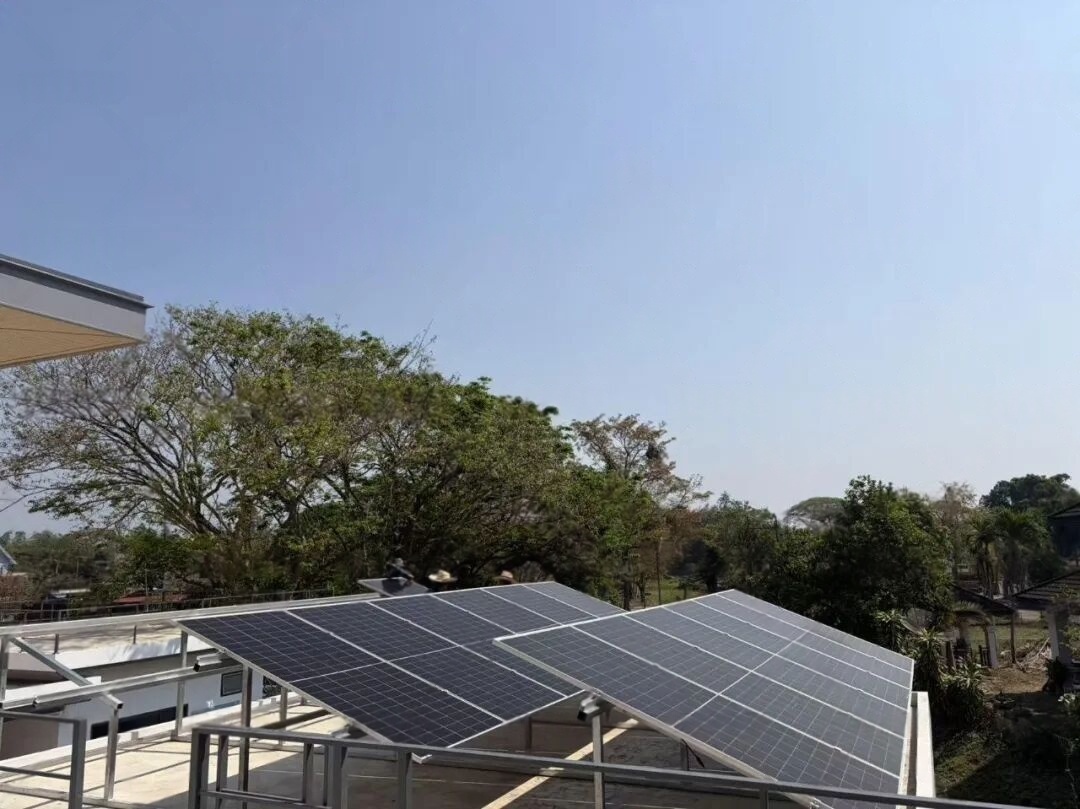
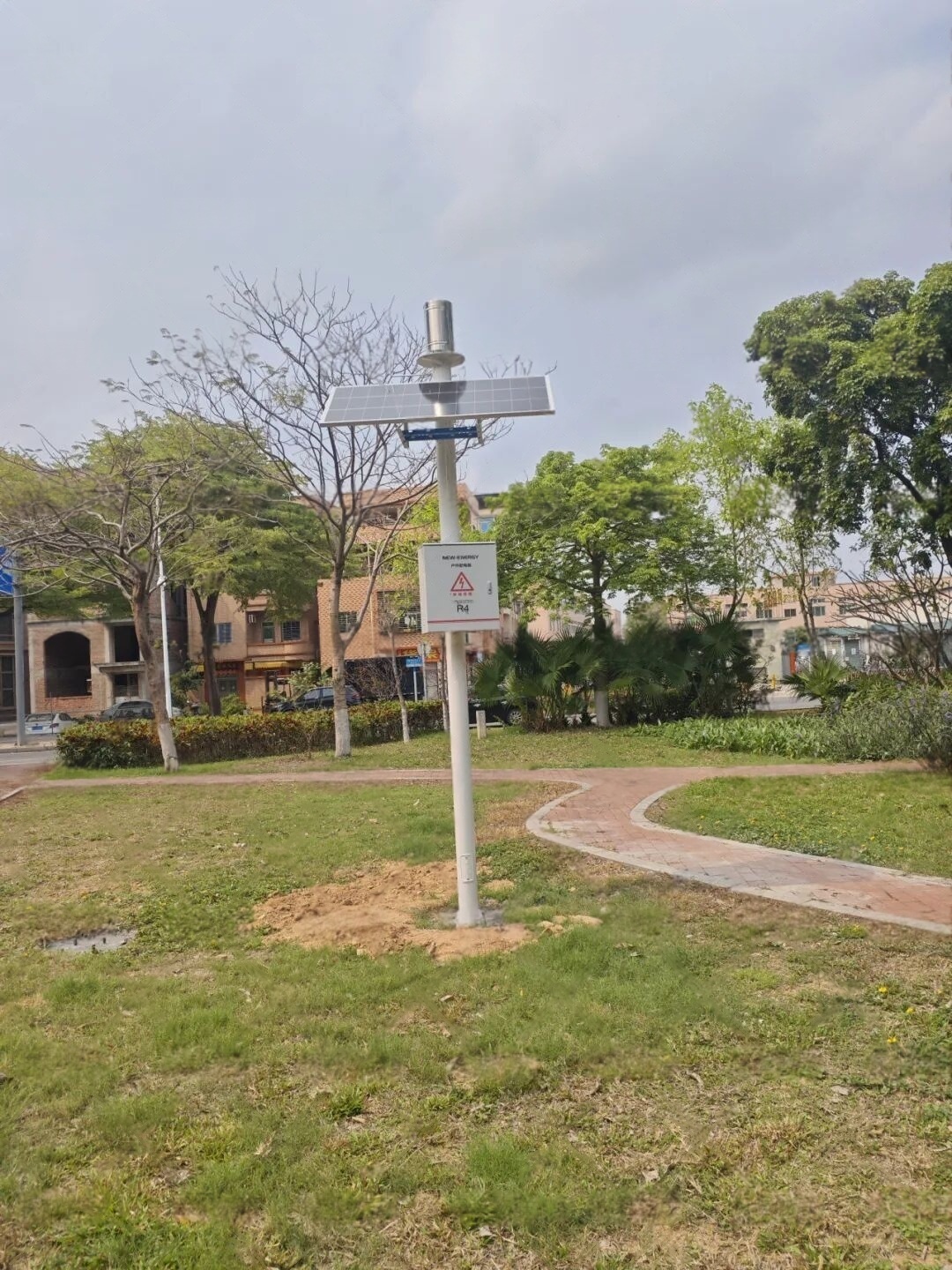
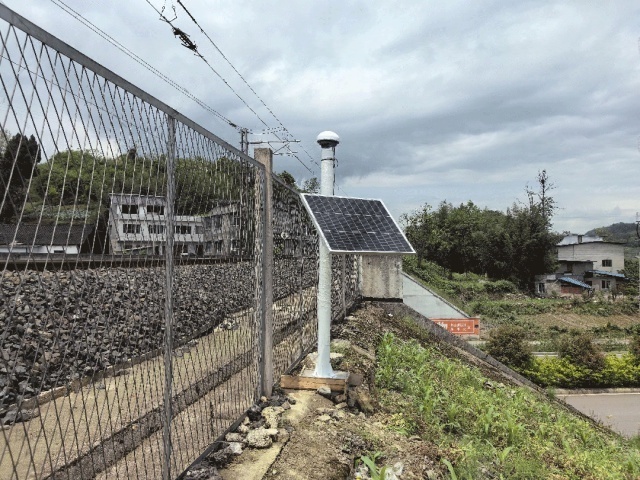
This project deployed 100W60Ah and 150W80Ah off-grid solar power kits to support GNSS slope deformation monitoring in Burqin, Xinjiang. The system maintains uninterrupted 24/7 data acquisition through snowstorms, sand abrasion, and large temperature swings while enabling remote diagnostics, reducing field patrol needs, and strengthening early-warning reliability for landslide prevention.
The following key insights summarize the performance, deployment reliability, and ROI outcomes of the 100W/150W solar GNSS slope monitoring system implemented in Burqin, Xinjiang. Each point reflects field-validated results, not theoretical assumptions — suitable for engineers evaluating off-grid continuity, climate resilience, and long-term operational savings.
| Buyer Question (Search Query) | Answer Section | Target Keywords |
| How to power GNSS slope monitoring where no grid exists? | Section 1 | solar power for GNSS, slope monitoring power supply |
| What power level is needed for GNSS winter operation in Xinjiang? | Section 2 | 150W 80Ah GNSS winter energy design |
| Can solar work reliably in sandstorms and large temp-difference regions? | Section 3 | desert solar reliability, anti-sand coating |
| How much O&M cost can be reduced with remote diagnostics? | Section 5 | GNSS remote maintenance ROI calculator |
| Requirement | Value |
| Minimum autonomy | 48–110 hours |
| Temperature survival | –30°C ~ 55°C |
| Coverage continuity | 24h×365 uninterrupted sampling |
| Fault tolerance | Designed for snow + sandwind |
Model Power Chain Suitability
100W + 60Ah GNSS single-antenna low-load Stable insolation, lighter data load
150W + 80Ah Multi-constellation RTK GNSS Sandstorm/winter regions requiring surplus energy
✅ High discharge efficiency at low temperatures
✅ Fully sealed IP66 anti-sand + moisture isolation chamber
✅ Long cycle life for remote unmanned deployment
Autonomy(Hours) ≈ Battery_Wh / (GNSS_Load_W × 24)
100W60Ah station ≈ 48–72h
150W80Ah station ≈ 72–110h
| Feature | Specification |
| Battery | LiFePO4 wide-temperature grade |
| Controller | High-efficiency MPPT |
| Communication | 4G/LoRa remote telemetry |
| Enclosure | IP66 anti-sand corrosion-resistant |
✅ PV tilt calibrated for winter low sun angle
✅ Anti-sand nano-coating increases efficiency during dust accumulation
✅ Anchored to rock surface to resist wind uplift
✅ Mobile dashboard → live SOC, voltage, MPPT input
✅ Predictive alert triggers before energy collapse
✅ Site patrol reduced significantly → manpower saved
| Field | Value |
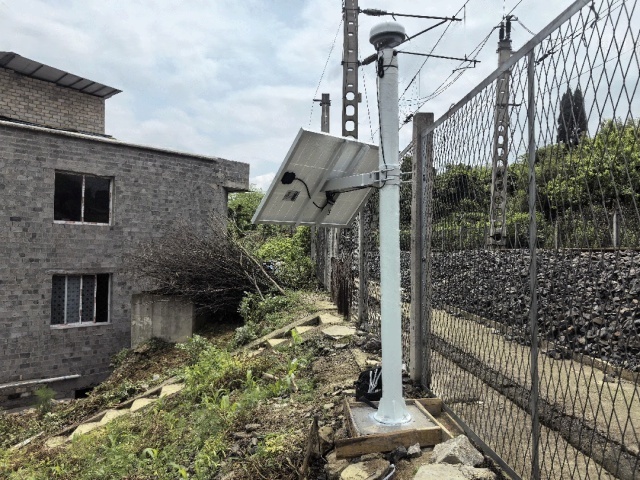
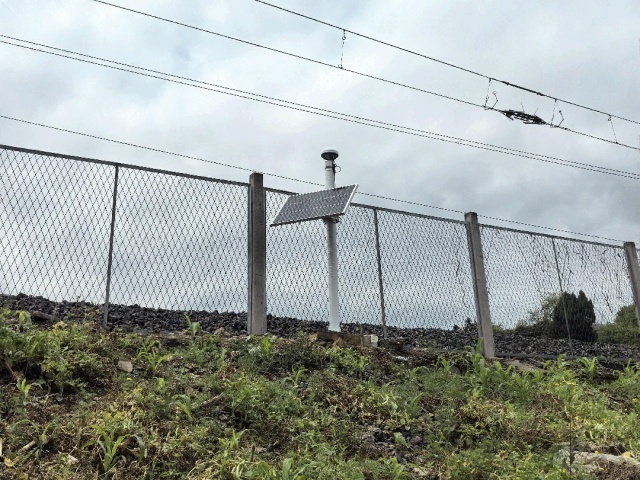
| Location | Burqin County, Altay Prefecture, Xinjiang |
| Deployment Time | Aug 2025 |
| Elevation | 1200–1600m |
| Configurations | 100W60Ah & 150W80Ah hybrid layout |
| Result | Value |
| GNSS sampling integrity | 100% continuous |
| Fault occurrence | Zero failures |
| Patrol reduction | –68% field manpower |
| Early-warning accuracy | +35% improvement |
| Region | Recommended Config | Climate Threat | Outcome |
| Burqin, Xinjiang | 100W60Ah / 150W80Ah | Sand + extreme cold | 100% GNSS uptime proven |
| Inner Mongolia Desert | 120W70Ah | Sand UV erosion | Requires UV-hardening coating |
| Yunnan Rain Belt | 80W40Ah | Long cloudy season | Higher battery-PV ratio preferred |
ROI = (Annual OPEX Saved × Years of Service) ÷ System CAPEX
Typical reduction: 3–5× lower lifetime cost vs diesel/grid pull-in
Ideal for dispersed fields, livestock zones, irrigation pumps, and crop health sensors.
Designed for large-area surveillance where power cabling is impractical.
Learn more → /solar-farm-monitoring-system
Suitable for fruit growth tracking, temperature and humidity sampling, and pest monitoring automation.
Supports camera + LoRa gateway upgrades for real-time yield assessment.
Learn more → /orchard-agriculture-solar-kit
Engineered for long-distance road corridors requiring emergency surveillance, accident evidence collection, and road sign illumination.
Supports 24/7 video backhaul with PoE & 4G uplink.
Learn more → /highway-solar-cctv-power-supply
Built for water-level sensing, flow velocity measurement, rainfall telemetry, and flood-warning automation.
Works in remote riverbanks, embankments, reservoirs, and flood zones.
Learn more → /solar-river-hydrology-monitoring
Provide power profile → we map PV + battery sizing, autonomy days & communication module.
OEM/ODM available for integrators, government tenders, and EPC deployment.
Learn more → /oem-custom-solar-power-systems
The following one-by-one answers address the most common engineering concerns when deploying 100W/150W GNSS solar systems in Northwest China. Each response is written for technical buyers who must evaluate power autonomy, winter reliability, scalability, O&M workload, and compliance requirements before project approval.
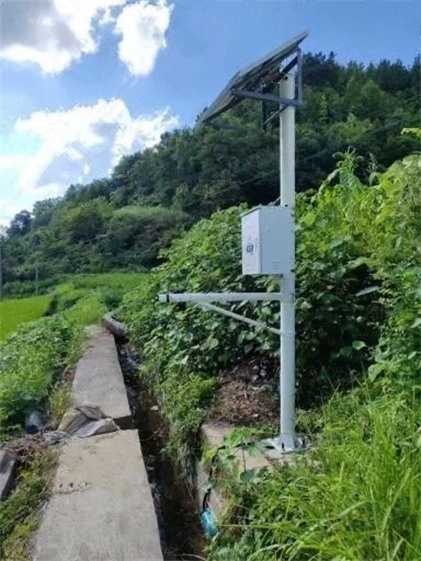
The power unit uses wide-temperature LiFePO4 cells housed in a sealed IP66 cabin, preventing thermal drop and sand intrusion to maintain continuous discharge during freezing nights and abrasive desert winds.
Yes — 100W60Ah supports low-load single-frequency GNSS, but for high-frequency RTK, long-term winter sites, or heavy telemetry usage, 150W80Ah or above is strongly recommended.
Typical autonomy is ~48–72 hours with 100W60Ah and ~72–110 hours for 150W80Ah. For >5-day autonomy, capacity can be increased to 120Ah+ and PV to 180–240W.
Yes. The system is scalable to PTZ IP cameras, micro-displacement sensors, LoRa rain gauges and additional GNSS nodes without redesigning the power core.
Most deployments report a 60–75% reduction in manual inspections thanks to voltage alarms, SOC analytics and predictive fault notifications.
The PV panel uses a snow-shedding tilt angle and optional hydrophobic coating, reducing snow adhesion and allowing MPPT to maintain charging under winter insolation.
MPPT charging and LiFePO4 reserve compensate for reduced input. Sites with long sandstorm seasons can scale up to 200W/120Ah for stable buffering.
PV lifespan is typically 20–25 years, and LiFePO4 batteries offer 3,000–6,000 full cycles depending on climate, with maintenance usually needed 1–2 times annually.
Yes — compliance may include CE/ROHS/EMC for components, plus environmental and reliability test reports for government geological monitoring procurements.
Absolutely — an optional -40°C low-temperature module with cabin heating board supports Tianshan, Altay and sub-zero plateau deployments.
Our GNSS solar kits succeed not in theory but in field-verified deployments across Northwest China with long-cycle winter endurance and real off-grid continuity.
Tested through sand abrasion, −30°C nights, high winds, and heavy snow with zero power interruption — proven reliability, not simulated performance.
The 100W/150W GNSS power kits have operated through heavy snow, sand abrasion, and −30°C desert nights in Burqin, Xinjiang with zero power interruption.
Not simulated. Not hypothetical. Real-world verified performance.
We support engineering teams who need reliable off-grid power for GNSS, hydrology, slope deformation, and multi-sensor IoT deployments in harsh climates.
Field-validated in Xinjiang, Northwest China — extreme cold, sand abrasion, and winter low-light operation.
We are the right partner for engineering-scale rollout:
System integrators • Geological survey institutes • Hydrology bureaus
Slope disaster early-warning platforms • Highway/railway monitoring • Mountain & border surveillance
IoT + sensor network builders requiring scalable power nodes
If you need:
✅ Multi-point GNSS slope monitoring with 24/7 uptime
✅ Long-autonomy solar kits for cold, sandstorm, or snow season operation
✅ OEM/ODM development for batch deployment or project-specific customization
✅ Power+sensor integration (RTK, LoRa mesh, PTZ, tilt gauges, rain sensors)
→ We deliver system sizing + BOM + cost model within 48 hours after receiving load parameters.
Engineering & OEM Requests (24h response)
tony@kongfar.com
Solutions, project cases & deployment photos
www.kongfar.com
WhatsApp / WeChat (Real-time technical support)
+86 18820186702
Send your load & autonomy requirements → receive configuration + quotation instantly.

Copyright © 2025 shenzhen kongfar technology co.,ltd All Rights Reserved. All rights reserved

 English
  Deutsch