Off-Grid Energy Infrastructure Ensuring Continuous GNSS Displacement Data Acquisition in Cold, Wind-Exposed Mountainous Terrain
Direct Answer
In mountainous GNSS geological monitoring sites around Jincheng, Shanxi, long-term power reliability cannot be achieved through grid dependence or single-source solar systems. A 100W wind–solar hybrid power architecture combined with low-temperature-tolerant energy storage and remote power visibility provides continuous, interruption-free GNSS operation by compensating for winter low-irradiance conditions, frequent wind exposure, and the absence of stable grid infrastructure in remote terrain.
Engineering Takeaways / Decision-Critical Insights
✅ GNSS monitoring reliability in northern mountainous regions depends on multi-source energy input, not increased solar capacity alone
✅ Winter power failure risks are driven more by battery low-temperature discharge behavior than by panel wattage
✅ Wind–solar hybrid generation stabilizes energy availability during extended overcast and dust-affected periods
✅ Remote power visibility is essential to prevent delayed response caused by geographically dispersed monitoring points
✅ Long-term operational continuity requires reducing physical maintenance dependency, not increasing inspection frequency
SECTION 1 — Site-Specific Challenges in Jincheng, Shanxi
GNSS geological monitoring in Jincheng faces a unique combination of environmental and operational constraints:
✅ Temperate monsoon climate with cold winters and frequent seasonal wind-borne dust
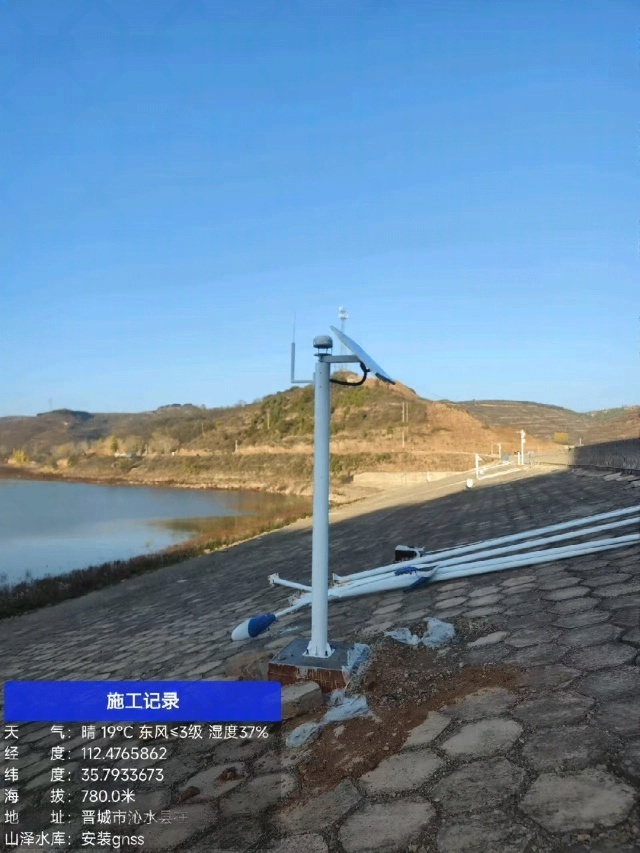
✅ Monitoring stations located in mountain slopes, riverbanks, and geologically sensitive zones with limited grid access
✅ Winter low temperatures significantly reduce conventional battery discharge efficiency, increasing outage risk
✅ Dispersed deployment leads to high manual inspection cost and delayed fault recovery
✅ Power interruptions directly compromise real-time displacement data integrity and disaster early-warning accuracy
These constraints make grid-connected or single-solar solutions structurally insufficient.
SECTION 2 — Power Architecture & System Topology
Hybrid Energy Generation Logic
The system adopts a wind–solar complementary architecture to stabilize energy input across seasonal variability:
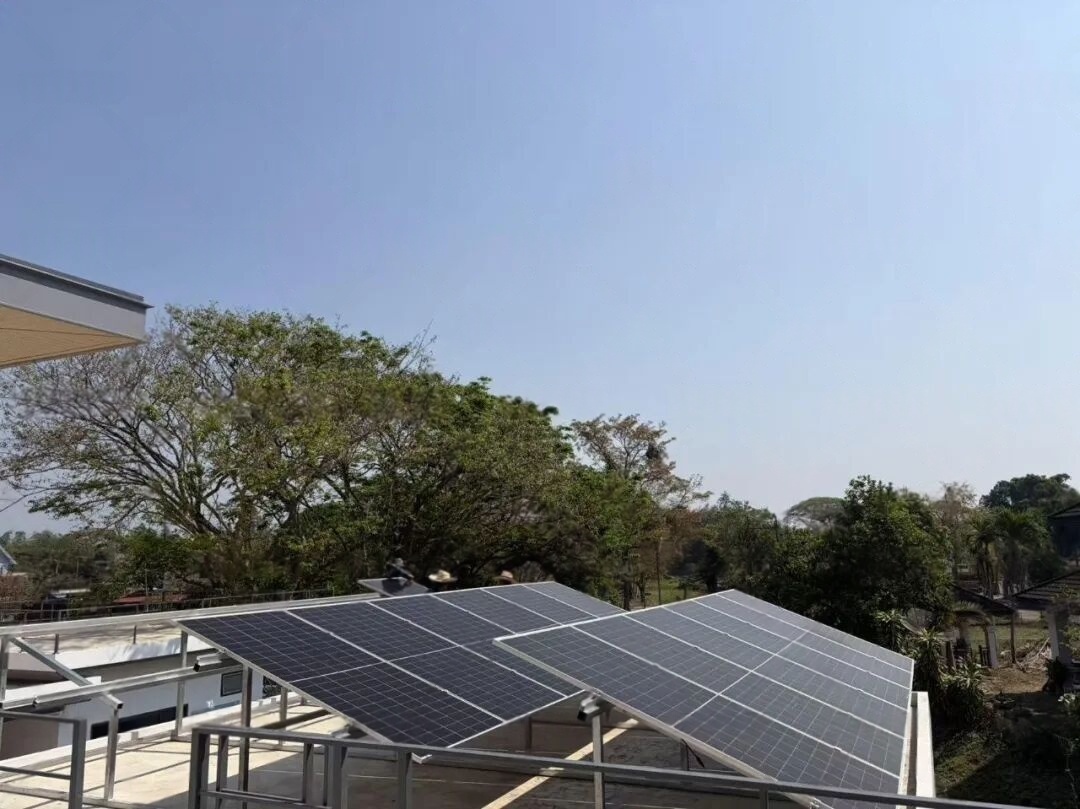
✅ 100W photovoltaic module optimized for outdoor geological monitoring deployment
✅ Anti-dust surface treatment reduces performance degradation in wind-sand conditions
✅ Small-scale wind turbine supplements generation during low-irradiance and overcast periods
✅ Hybrid input prevents energy gaps caused by prolonged winter sunlight insufficiency
This configuration ensures continuous energy availability rather than peak generation capacity.
Energy Storage & Environmental Protection Design
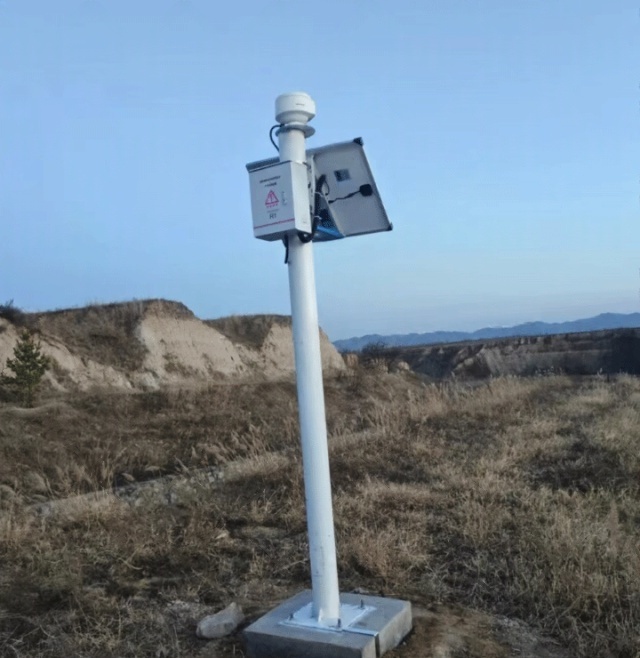
Reliable GNSS monitoring depends on storage behavior under extreme conditions:
✅ 60Ah wide-temperature-range battery cells maintain discharge stability in winter environments
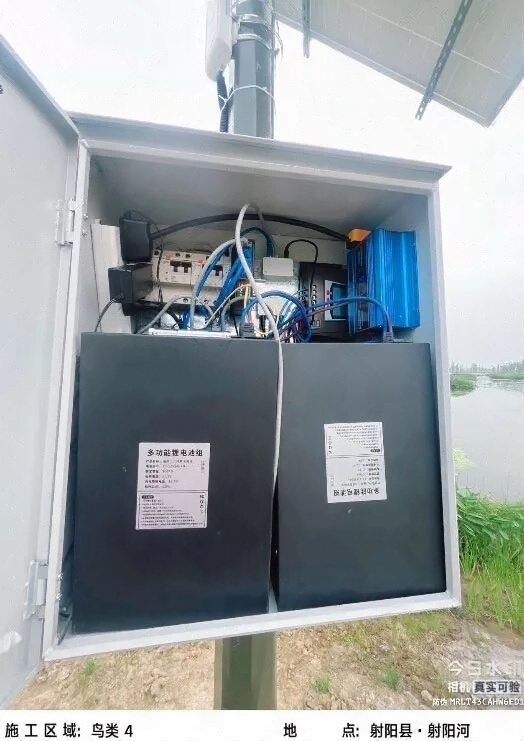
✅ Battery system enclosed within a sealed, weather-resistant protection compartment
✅ Storage autonomy sized to bridge multi-day low-generation cycles without data interruption
✅ Reduced depth-of-discharge extends battery service life and lowers replacement frequency
Intelligent Control & Remote Power Management
Power stability is reinforced through active system supervision:
✅ Integrated controller performs real-time energy scheduling between wind and solar inputs
✅ Mobile interface provides continuous visibility into PV output and battery status
✅ Automatic alerts notify operators of abnormal power behavior before system failure
✅ Remote diagnostics reduce dependence on on-site intervention
SECTION 3 — Deployment, Operations & Maintenance
The system was engineered to minimize site disturbance and operational burden:
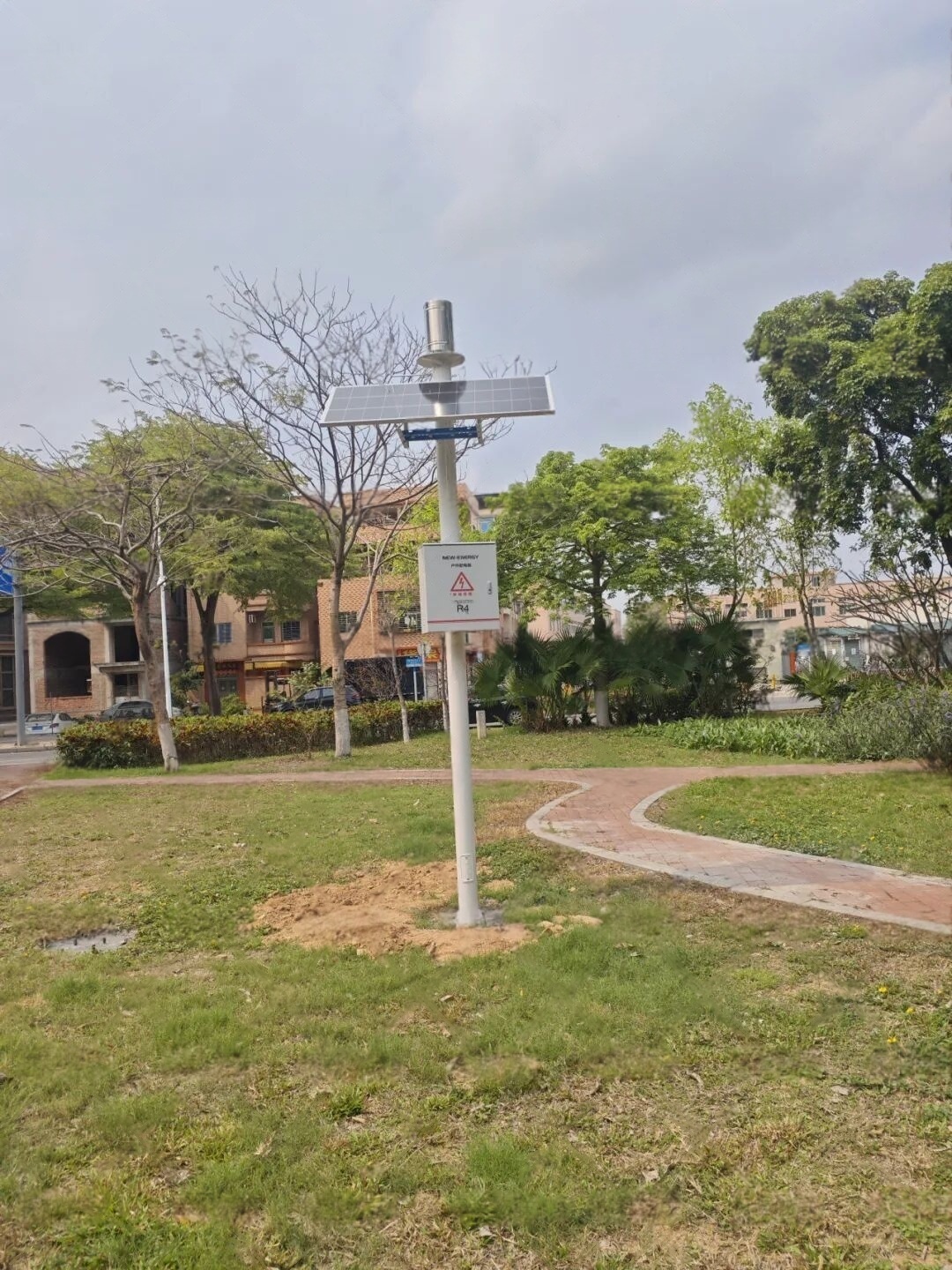
✅ Modular installation avoids large-scale ground alteration in sensitive geological zones
✅ Compact mounting structure adapts to mountainous and riverbank terrain
✅ Remote monitoring significantly reduces physical inspection frequency
✅ Maintenance tasks shift from reactive field repair to preventive remote supervision
This approach aligns power system design with long-term geological monitoring realities.
SECTION 4 — Field Validation / Engineering Verification
Verification conditions:GNSS stations deployed across remote mountainous and riverbank locations in Jincheng under winter low-temperature and wind-dust exposure.
Observed performance:The wind–solar hybrid system maintained uninterrupted GNSS operation throughout seasonal transitions, including cold winter periods and extended overcast conditions.
Engineering conclusion:Multi-source generation combined with low-temperature-tolerant storage and remote visibility effectively eliminates power-related data gaps in northern geological monitoring environments.
Deep Search Intent Expansion — Engineering & Procurement FAQ
Why is a wind–solar hybrid system necessary for GNSS monitoring in northern China?
A hybrid system mitigates seasonal solar instability by utilizing wind availability during low-irradiance periods, ensuring continuous power supply where single-source systems fail.
How does low temperature affect GNSS power systems?
Low temperatures primarily reduce battery discharge efficiency rather than solar generation itself, making storage chemistry selection critical for winter reliability.
Can this system operate without any grid connection?
Yes. The system is designed for fully off-grid deployment in mountainous and remote environments with no reliance on utility infrastructure.
How does remote monitoring improve operational reliability?
Remote power visibility allows early fault detection, preventing delayed maintenance responses that can compromise data continuity in dispersed monitoring networks.
Engineering Decision Rationale & System Value
For geological disaster-prevention projects, power continuity is not an auxiliary function but a structural prerequisite. This wind–solar hybrid GNSS power solution aligns energy architecture with environmental constraints, operational realities, and data integrity requirements, enabling geological monitoring systems to function as intended across seasonal and climatic extremes.
Related Smart-Infrastructure Energy Solutions
Designed for slope-mounted landslide sensors requiring uninterrupted winter operation, stable power under low-irradiance conditions, and minimal on-site maintenance access.
Supports continuous hydrological data acquisition in flood-prone riverbanks where wind exposure, sediment movement, and seasonal weather variability challenge single-source power systems.
Engineered for GNSS-based ground deformation and land subsidence monitoring, ensuring continuous displacement data collection in cold, remote, and geologically sensitive environments.
Enables scalable off-grid power supply for distributed environmental sensors across wide geographic areas, reducing maintenance dependency while maintaining data continuity.
Adaptable energy architectures designed around site-specific climate, terrain, and monitoring requirements, supporting early-warning systems where standard configurations are insufficient.
Engineering & Procurement Contact
Emailtony@kongfar.com
Websitehttps://www.kongfar.comFor site-specific GNSS power architecture design or northern-region deployment assessment, engineering consultation is available upon request.


 English
  Deutsch