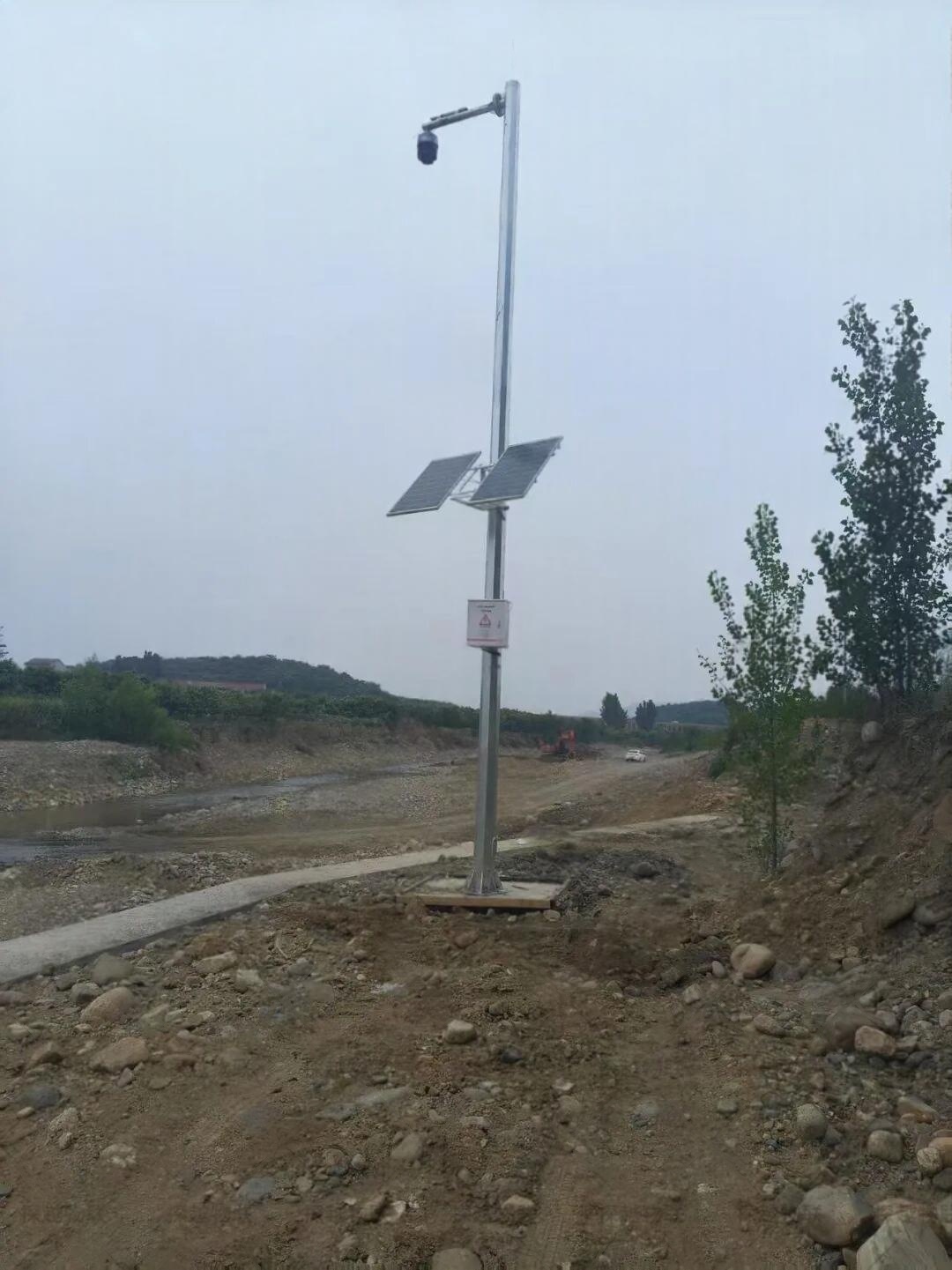
Reliable Energy Infrastructure for Continuous Forest Fire Detection and Early Warning in Mountainous Woodlands
In the forested mountain regions of Tai'an, Shandong, continuous forest fire monitoring depends on uninterrupted power to support real-time detection, early warning, and emergency response. However, grid access limitations, frequent fog conditions, high humidity, and dispersed deployment across rugged terrain make conventional power supply unreliable and costly. To address these challenges, a customized off-grid solar power system was deployed to ensure stable energy supply, environmental resilience, and long-term operational reliability for forest fire monitoring infrastructure.
An off-grid solar power system with fog-adaptive photovoltaic design, moisture-resistant energy storage, and intelligent remote power management enables 24/7 forest fire monitoring in Tai'an by overcoming grid limitations, high humidity, and mountainous terrain constraints, ensuring continuous early warning capability and improved emergency response efficiency.
Engineering Takeaways — Decision-Critical Insights for Off-Grid Solar Power in Forest Fire Monitoring
The following engineering takeaways summarize how the off-grid solar power architecture addresses site-specific environmental risks, operational constraints, and regulatory requirements in forest fire monitoring projects:
1️⃣ Grid-independent energy architecture ensures continuous surveillance: decentralized solar power eliminates reliance on unstable or unavailable grid infrastructure in mountainous forest areas
2️⃣ Fog-resilient photovoltaic design stabilizes energy generation: high-transmittance, anti-fog coatings reduce performance fluctuation under frequent fog and low-irradiance conditions
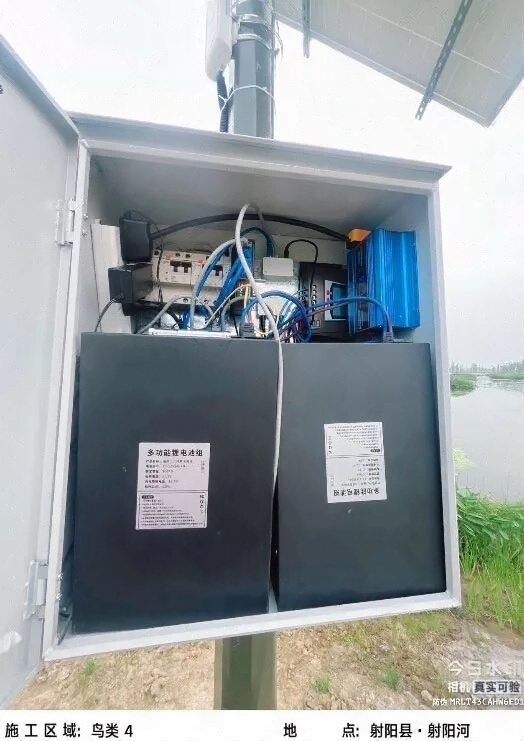
3️⃣ Moisture-resistant energy storage protects system reliability: sealed, corrosion-resistant battery enclosures maintain stable operation in high-humidity forest environments
4️⃣ Remote energy monitoring reduces field maintenance burden: real-time visibility into power status and load conditions minimizes manual inspections across rugged terrain
5️⃣ Stable power supply strengthens early fire detection capability: uninterrupted monitoring supports faster identification of fire risks and earlier intervention
6️⃣ Lifecycle costs are optimized through autonomous deployment: reduced grid construction and lower maintenance frequency improve long-term project economics
SECTION 1 — Site-Specific Challenges for Forest Fire Monitoring Deployment in Tai'an
Forest fire monitoring points in Tai’an are typically distributed across mountainous woodland areas, characterized by dense vegetation, high humidity, and frequent fog, far from stable urban power infrastructure.
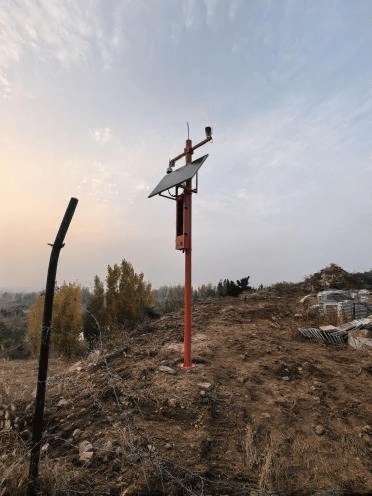
Environmental and Operational Constraints
✅ Dry and windy winter conditions increase fire risk while destabilizing power supply
✅ Frequent fog and vegetation shading reduce photovoltaic energy generation efficiency
✅ High humidity accelerates corrosion and degrades conventional power equipment
✅ Dispersed mountain deployment increases inspection time and emergency response delays
Risk Impact
Fog exposure + vegetation shading + grid absence → power instability → monitoring interruptions → delayed fire detection → reduced emergency response effectiveness
👉 Continuous, self-sustaining energy supply is essential to maintain early warning visibility and operational continuity.
SECTION 2 — Power Architecture & System Topology for Forest Fire Monitoring
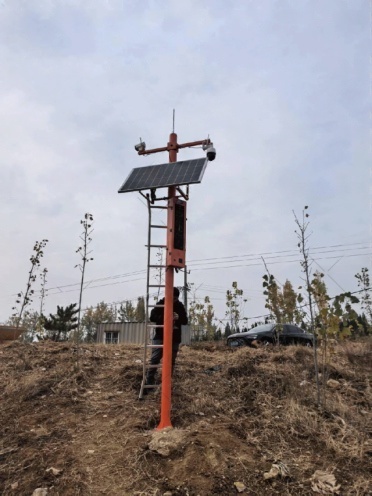
Fog-Adaptive, Environment-Resilient Energy Design
Component
| Specification
| Engineering Purpose
|
Photovoltaic Module
| 150W anti-fog solar panel
| Stable energy generation under fog-prone conditions
|
Energy Storage
| 80Ah moisture-resistant battery
| Reliable operation during extended cloudy or rainy periods
|
Power Controller
| Intelligent charge controller
| Load regulation and system protection |
The photovoltaic system is installed at vegetation-free elevated locations to minimize shading, while the sealed battery enclosure protects against moisture ingress. Intelligent power regulation ensures continuous operation during variable weather conditions common in Tai'an's forest regions.
SECTION 3 — Deployment, Operations & Risk-Control Efficiency
Terrain-Adaptive Installation
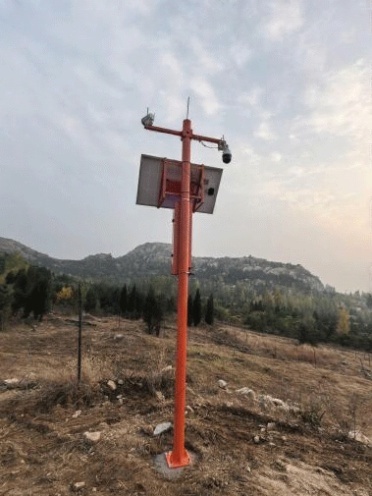
✅ No trenching or grid extension required
✅ Elevated installation avoids vegetation obstruction
✅ Sealed enclosures protect against moisture and biological exposure
Remote Visibility & Alerting
✅ Real-time monitoring of generation output and battery status
✅ Automated alerts for abnormal power or load conditions
✅ Reduced dependence on frequent on-site inspections in mountainous terrain
Lifecycle Cost & Risk Reduction Matrix
Factor
| Conventional Power Supply
| This Project
|
Power continuity
| Weather-sensitive
| Autonomous and stable
|
Fog adaptability
| Poor
| Optimized
|
Maintenance effort
| High
| Significantly reduced
|
SECTION 4 — Measured Outcomes & Field Validation (Tai'an, 2025)
KPI
| Result
|
Monitoring uptime
| 24/7 uninterrupted operation
|
Data completeness
| 100% continuous capture
|
Fog-season failures
| 0 recorded incidents
|
Validated during fog-prone and high-humidity operational periods across mountainous forest monitoring sites in Tai'an.
Deep Search Intent Expansion — Engineering & Procurement FAQ
Environmental Adaptation & Reliability
Can off-grid solar power systems operate reliably in fog-prone forest regions?
A: Yes. Reliability depends on photovoltaic surface treatment, system placement, and storage buffer design. Anti-fog coatings and strategic installation at unshaded high points ensure sufficient energy generation even under frequent fog conditions.
Power Independence & Deployment Feasibility
How can forest fire monitoring systems operate without grid access in mountainous areas?
A: Decentralized solar power systems with sufficient storage capacity enable independent operation. System sizing accounts for seasonal irradiance variation, weather patterns, and continuous monitoring load requirements.
Maintenance & Cost Efficiency
Does off-grid solar reduce maintenance burden for forest fire monitoring infrastructure?
A: Yes. Remote power monitoring and autonomous operation significantly reduce field visits, lowering maintenance costs and improving response speed in remote forest environments.
Engineering Decision Rationale for Forest Fire Monitoring Power Systems
Why decentralized solar power is preferred over grid extension in forested mountains
Grid extension in mountainous forest areas introduces high construction costs, ecological disturbance, and long-term reliability risks. Decentralized solar power avoids these issues while enabling scalable deployment across dispersed monitoring points.
Engineering factors driving long-term system reliability
Long-term reliability is achieved through fog-adaptive photovoltaic design, moisture-resistant enclosures, and intelligent power regulation aligned with continuous monitoring loads.
Scenarios requiring hybrid or enhanced configurations
In regions with prolonged low-irradiance periods or additional sensing equipment, expanded storage capacity or hybrid wind–solar configurations may be considered to maintain operational continuity.
Related Smart-Infrastructure Energy Solutions
Forest Fire Prevention & Early Warning Power Systems
Solar-powered energy infrastructure supporting continuous wildfire detection and early warning networks across forest regions.
👉 Explore solar solutions for forest fire prevention systems.
Railway Slope & Gradient Monitoring Power Solutions
Independent power systems enabling uninterrupted operation of slope safety and deformation monitoring along railway corridors.
👉 Learn more about solar power for railway slope monitoring.
Wind–Solar Hybrid Off-Grid Energy Systems
Hybrid architectures combining solar and wind energy to enhance reliability in variable climate environments.
👉 Discover wind–solar hybrid power solutions.
Hydrological & River Monitoring Power Infrastructure
Autonomous solar power for water level, flow, and flood monitoring stations in remote river environments.
👉 View solar solutions for hydrological monitoring.
Custom-Built Off-Grid Power Systems for Special Environments
Tailored energy systems designed for unique environmental, climatic, and regulatory requirements.
👉 See custom off-grid power solutions.
Engineering & Procurement Contact — Off-Grid Surveillance & Infrastructure Power Projects
This section serves as the engineering and procurement entry point for organizations planning off-grid monitoring and infrastructure power deployments in complex natural environments.
Our engineering team supports site assessment, system architecture design, and deployment planning based on climate conditions, terrain constraints, load profiles, and compliance requirements.
Who This Is For✅ Forestry and emergency management authorities
✅ System integrators delivering environmental monitoring solutions
✅ Infrastructure operators managing remote forest assets
What Support Is Provided✅ Project feasibility analysis and system sizing
✅ Fog- and humidity-adaptive power design strategies
✅ Long-term reliability optimization and risk assessment
✅ Deployment guidance and lifecycle cost evaluation
Engineering & Procurement Contact
Email:tony@kongfar.com
Website:https://www.kongfar.comAll inquiries are reviewed by engineering specialists to ensure technical feasibility, environmental compliance, and long-term system performance before procurement decisions are finalized.


 English
  Deutsch