Reliable Energy Infrastructure for Mountain Fire Surveillance Networks
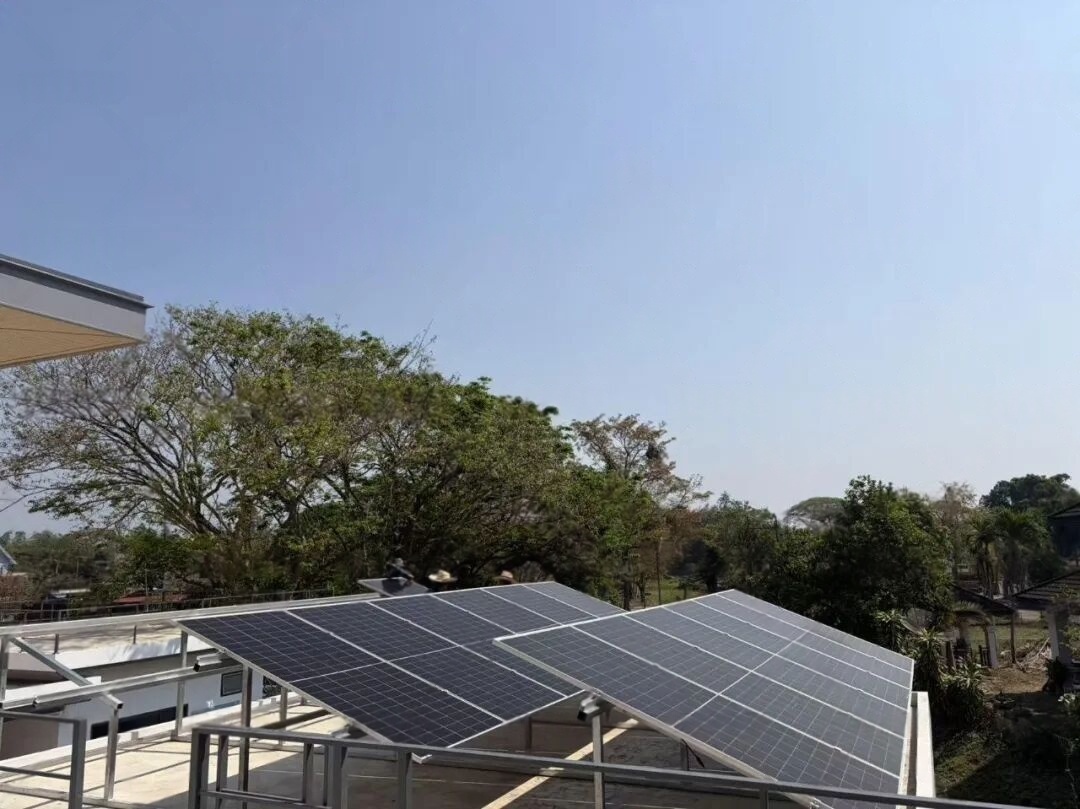
A 900W photovoltaic system paired with 500Ah battery storage delivers continuous power for forest fire PTZ surveillance in Guilin’s Lingui mountain region. Designed for high humidity, heavy rain, and strong wind loads, the system maintains uninterrupted monitoring and remote alerts during storm conditions, supporting early fire detection while reducing manual patrol risks.
The following points reflect what forestry agencies and engineering teams evaluate first when deploying power systems for mountain fire-watch infrastructure:
1️⃣ Sustained 24/7 power availability for PTZ fire surveillance platforms
— Ensures continuous visual and thermal monitoring at mountain peaks during fire-risk periods
2️⃣ 900W PV array optimized for humid, wind-exposed forest ridgelines
— Maintains generation stability despite rain, fog, and seasonal cloud cover
3️⃣ 500Ah deep-cycle storage supporting multi-day low-irradiance operation
— Keeps PTZ platforms online during extended rainy intervals
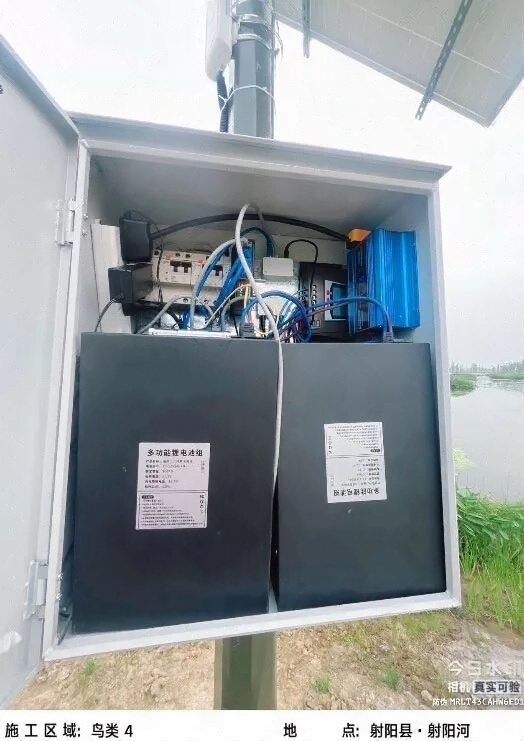
4️⃣ Sealed energy cabinet engineered for moisture, insects, and corrosion exposure
— Protects battery and control components in dense forest environments
5️⃣ Stable support for high-load PTZ and thermal-imaging equipment
— Prevents reboot cycles or blind intervals during active monitoring
6️⃣ Remote power-status visibility with automatic anomaly notifications
— Reduces emergency response latency for fire-control teams
7️⃣ Zero-trenching deployment for remote mountain sites
— Avoids terrain disturbance and reduces installation safety risks
8️⃣ Designed for dispersed fire-watch towers and ridge-top installations
— Enables scalable forest-wide surveillance layouts
9️⃣ Reduced reliance on manual mountain patrols
— Improves personnel safety and lowers long-term O&M burden
🔟 Operational performance validated in Lingui forest fire monitoring operations (2025)
— Supports forestry fire-prevention KPIs and early-warning mandates
| Buyer Query | Intent Focus | Anchor Section |
| solar power for forest fire surveillance | 24/7 reliability in mountain terrain | SECTION 2 |
| PTZ camera power supply off grid | high-load stability | SECTION 2 |
| how to power thermal cameras in forests | continuous thermal imaging | SECTION 2 |
| humidity resistant solar battery cabinet | corrosion prevention | SECTION 2 / FAQ |
| wind load solar mounting mountain | structural safety | SECTION 3 |
| remote monitoring for fire watch towers | alarm & O&M visibility | SECTION 3 / FAQ |
| cost to deploy fire tower solar power | lifecycle cost & trenching | SECTION 3 |
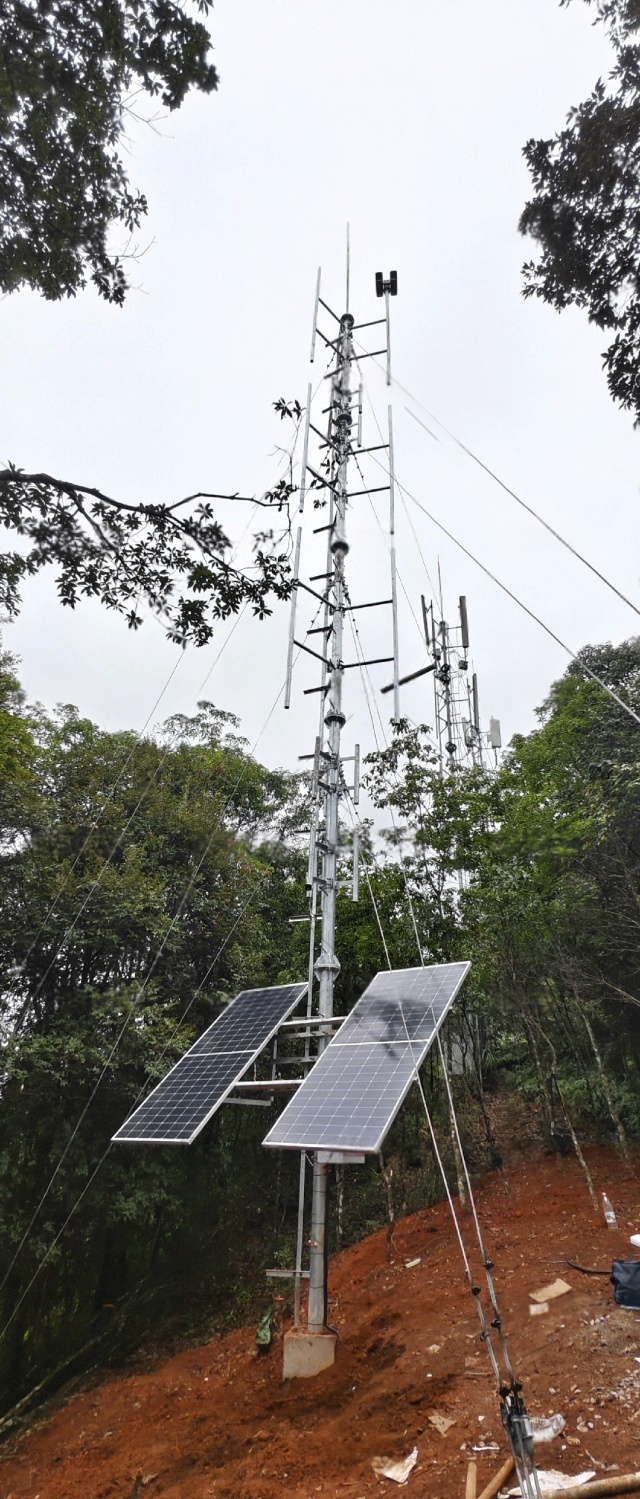
Guilin’s Lingui forest region presents complex operating conditions for fire surveillance infrastructure.
✅ Mountainous terrain with limited grid access
✅ Subtropical monsoon climate with frequent heavy rainfall
✅ High humidity and insect activity accelerating equipment degradation
✅ Strong ridge-top winds impacting structural stability
✅ Dispersed tower locations increasing patrol time and safety exposure
📌 Risk Impact
Power interruption → surveillance blind spots → delayed fire response → increased ecological and safety losses
👉 This off-grid solar solution addresses these risks through high-capacity storage, reinforced mounting, and remote power visibility tailored to Lingui’s forest conditions.
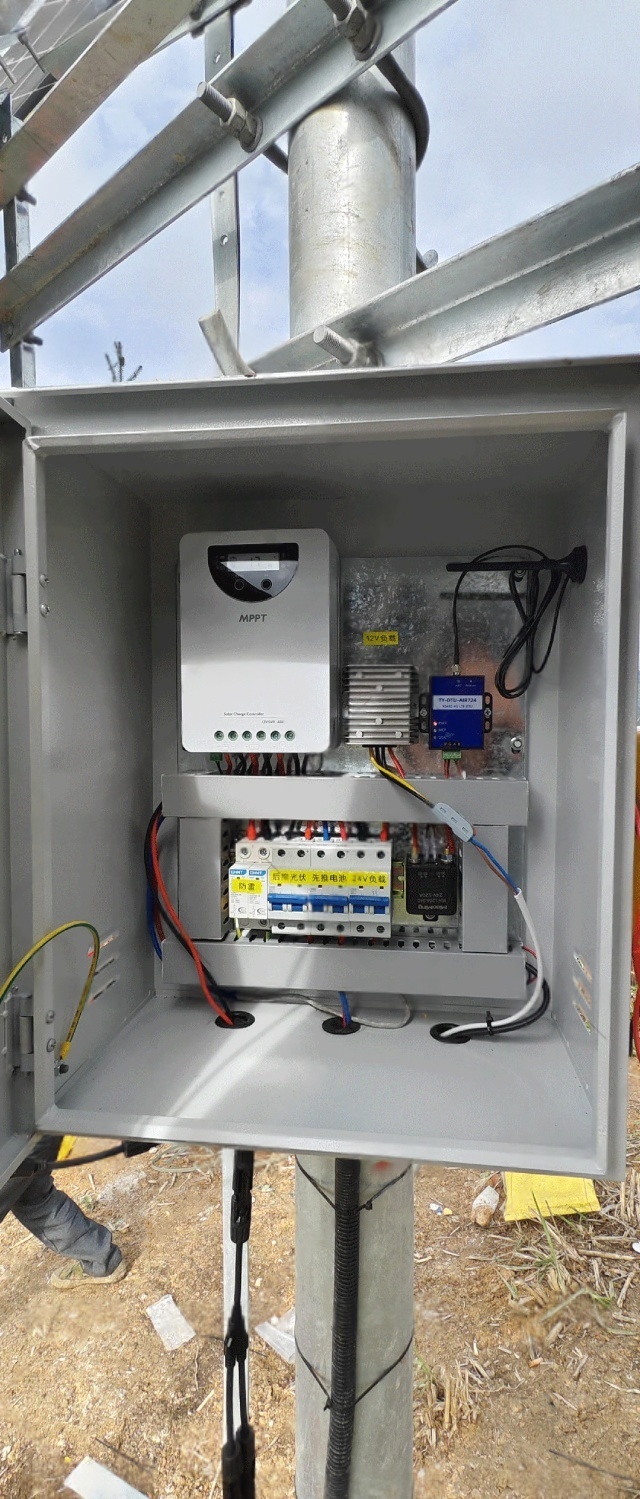
| Component | Specification | Engineering Purpose |
| PV Array | 900W multi-panel configuration | Primary energy for PTZ + thermal payload |
| Battery | 500Ah deep-cycle storage | Multi-day operation during rain |
| Controller | Smart MPPT controller | Stable charging under fluctuating light |
| Enclosure | Sealed protective cabinet | Moisture, insect, corrosion resistance |
| Mounting | Reinforced steel structure | Wind-load resilience at ridge sites |
✅ Designed for high-humidity forest ridges and exposed towers
✅ Supports continuous PTZ rotation, zoom, and thermal imaging
✅ Maintains monitoring continuity during prolonged cloudy or rainy periods
✅ Ridge-top and mountain installation without grid trenching
✅ Reinforced mounting minimizes wind-induced vibration
✅ Elevated cabinet design reduces moisture ingress risk
✅ Real-time monitoring of PV output and battery status
✅ Automatic alerts for abnormal voltage or load behavior
✅ Reduced need for routine mountain access checks
| Factor | Traditional Grid | Solar System (This Project) |
| Trenching & cabling | High cost, terrain impact | Not required |
| Storm-related outages | Common | Mitigated |
| Manual patrol frequency | High | Significantly reduced |
| Emergency response speed | Delayed | Accelerated |
| KPI | Observed Result |
| Power continuity | Maintained during monitored operation window |
| Surveillance availability | Stable through rainy periods |
| Maintenance frequency | Reduced compared to manual-only routines |
| Fire-risk response readiness | Improved early-warning capability |
📌 Verified through operational records from Lingui forest fire monitoring activities during the 2025 fire-prevention season.
| Option | Advantages | Limitations | Suitable Use |
| Grid Extension | Stable when available | High cost, outage risk | Low-altitude accessible sites |
| Diesel Generator | Rapid deployment | Fuel logistics, noise | Temporary operations |
| Solar + Storage (This Project) | Off-grid, low O&M, scalable | Requires proper sizing | Mountain fire-watch towers |
Yes. In Guilin’s subtropical monsoon environment, continuous PTZ operation requires both generation capacity and storage depth. The Lingui deployment combines a 900W photovoltaic array with 500Ah battery storage, allowing the system to sustain PTZ rotation, thermal imaging, and data transmission during prolonged cloudy and rainy periods without power cycling.
The power architecture prioritizes essential PTZ and communication loads while buffering short-term solar fluctuation through high-capacity storage. This design prevents voltage drops that typically trigger camera reboot or thermal module shutdown during extended overcast conditions common in Guangxi’s forest regions.
Yes. The 500Ah battery bank is sized to support night-time PTZ patrol presets, thermal scanning, and emergency alert transmission. This ensures uninterrupted operation during peak fire-risk hours, even when solar input is unavailable.
All critical power components are housed in sealed protective enclosures designed to limit moisture ingress, condensation exposure, and corrosion pathways. This approach directly addresses the high humidity, insect activity, and biological exposure typical of forest ridge deployments in Guilin.
Yes. The mounting system is engineered for ridge-top wind conditions, using reinforced structural supports and secure anchoring to maintain panel stability and electrical integrity. This reduces long-term fatigue on connectors and prevents alignment loss caused by seasonal wind loads.
Yes. Real-time visibility into solar output, battery status, and load behavior significantly reduces routine inspection visits. This lowers personnel exposure to steep terrain, wet conditions, and limited-access forest paths while maintaining operational confidence.
The system supports remote alerts for abnormal discharge, charging anomalies, and power instability. These alerts allow maintenance teams to respond proactively, minimizing downtime and avoiding delayed fault discovery during critical fire-prevention periods.
No. The architecture supports multi-device forest fire monitoring, including PTZ cameras, thermal sensors, communication gateways, and auxiliary fire-detection equipment. This allows future expansion without redesigning the core power infrastructure.
Yes. The system is designed with engineering documentation readiness, including load calculation logic, configuration rationale, and deployment references, supporting technical review and procurement evaluation for forestry and government fire-prevention programs.
| Term | Definition |
| Autonomy | Duration of operation without effective solar input |
| PTZ Load Profile | Power demand pattern of pan-tilt-zoom systems |
| Wind-load design | Structural reinforcement against mountain gusts |
| SOC | Battery state of charge for health monitoring |
| Remote O&M | Off-site monitoring of system performance |
✅ Experience in humid, wind-exposed mountain deployments
✅ Systems engineered for high-load surveillance equipment
✅ Emphasis on operational reliability and safety
✅ Engineering design review and configuration support
✅ OEM/ODM capability for forestry and government projects
✅ Autonomous off-grid power designed to support GNSS monitoring, tilt sensors, crack gauges, and edge gateways in geotechnically unstable terrain
👉 Add internal link here: Slope Displacement Monitoring Solar Power System
✅ dual-source generation to stabilize monitoring power in windy ridges and low-sun seasons
👉 Add internal link here: Wind–Solar Hybrid Off-Grid Power Kit
✅ reliable power for wellhead loggers, telemetry nodes, and remote pumping-site sensors without trenching
👉 Add internal link here: Groundwater Monitoring Solar Power Supply
✅ continuous power for level radar, flow sensors, and flood-season telemetry along riverbanks
👉 Add internal link here: River Water-Level Monitoring Solar Power System
✅ project-based sizing for camera load profiles, autonomy targets, enclosure class, and compliance documents
👉 Add internal link here: Custom Off-Grid Solar Power System Design

Copyright © 2025 shenzhen kongfar technology co.,ltd All Rights Reserved. All rights reserved

 English
  Deutsch